
Kabaddi's Transfer Window: The Noise Is the Auction, the Document Is the Retention List
**मुख्य उत्तर:** कबड्डी के ट्रांसफर विंडो में सबसे भरोसेमंद दस्तावेज़ रिटेंशन और रिलीज़ सूची है, एजेंट की अफ़वाह नहीं। लीग में मुक्त एजेंसी नहीं है; खिलाड़ी रिटेंशन के बाद नीलामी पूल में जाते हैं और बेस प्राइस ग्रेड से बोली तय होती है। **मुख्य तथ्य:** - प्रो कबड्डी लीग 2014 में शुरू हुई; नीलामी A/B/C/D बेस प्राइस ग्रेड और अलग विदेशी पूल पर चलती है। - स्क्वाड में सीमित विदेशी स्लॉट ईरानी डिफेंडरों की क़ीमत को उनकी क्षमता से नीचे बाँधते हैं। - 2023 हांगझोऊ एशियाई खेल पुरुष फ़ाइनल में भारत ने ईरान को 33-29 से हराया। - 2023 हांगझोऊ महिला फ़ाइनल में भारत ने चीनी ताइपे को 26-25 से हराकर स्वर्ण जीता। - 2018 जकार्ता में भारतीय पुरुष टीम सेमीफ़ाइनल में ईरान से 18-27 से हारी थी। **स्रोत:** एशियाई खेल 2018 (जकार्ता) एवं 2023 (हांगझोऊ) आधिकारिक परिणाम; प्रो कबड्डी लीग रिटेंशन एवं नीलामी सूचनाएँ। प्रकाशन तिथि: 13 अगस्त 2026। **संबंधित प्रश्न-उत्तर:** - प्रश्न: क्या कबड्डी में फ़ुटबॉल जैसी फ्री एजेंसी है? उत्तर: नहीं, खिलाड़ी रिटेंशन सूची के बाद नीलामी के ज़रिए ही टीम बदलते हैं। - प्रश्न: ईरानी डिफेंडरों की क़ीमत कम क्यों रहती है? उत्तर: स्क्वाड में विदेशी स्लॉट सीमित हैं और टीमें वह स्लॉट अक्सर रेडर पर लगाती हैं। - प्रश्न: महिला कबड्डी में ट्रांसफर कैसे होता है? उत्तर: फ़्रैंचाइज़ी लीग न होने से खिलाड़ी मुख्यतः विभागीय नौकरी और राज्य इकाइयों के ज़रिए जुड़ती हैं।
The press box clock kept ticking after the final whistle, so I kept taking notes. On the last night of the season the final name on my page belonged not to a raider but to a corner defender — a man who spent most of the campaign on the mat, held the defence together, and who was missing from the retention list a few weeks after his team fell out of the playoff race. On the same list sat a raider whose successful raid percentage sagged through the middle of the season and who was kept anyway. Neither decision was explained at a press conference. They arrived in a PDF, and by the next morning the transfer-window debate had moved off that PDF and onto the rumours an agent had texted a reporter at eleven at night.
My cant book filled with the words officials used when they meant something else. "For strategic reasons" usually translates to salary. "A plan to give young players a chance" usually translates to budget. And "a family atmosphere" usually translates to a player who was never told to his face that he was being let go. Kabaddi's transfer window runs between those three sentences, which is why the first job here is not filtering rumour but reading documents.
The structure is not the football one. No player becomes a free agent and walks where he likes. The Pro Kabaddi League runs in three stages — teams submit retention lists, the remaining players enter the auction pool, and base-price grades (A, B, C, D) set where the bidding starts. Overseas players sit in a separate pool with a capped number of squad slots, which means an Iranian defender's price is set below his ability and above the scarcity of that slot.
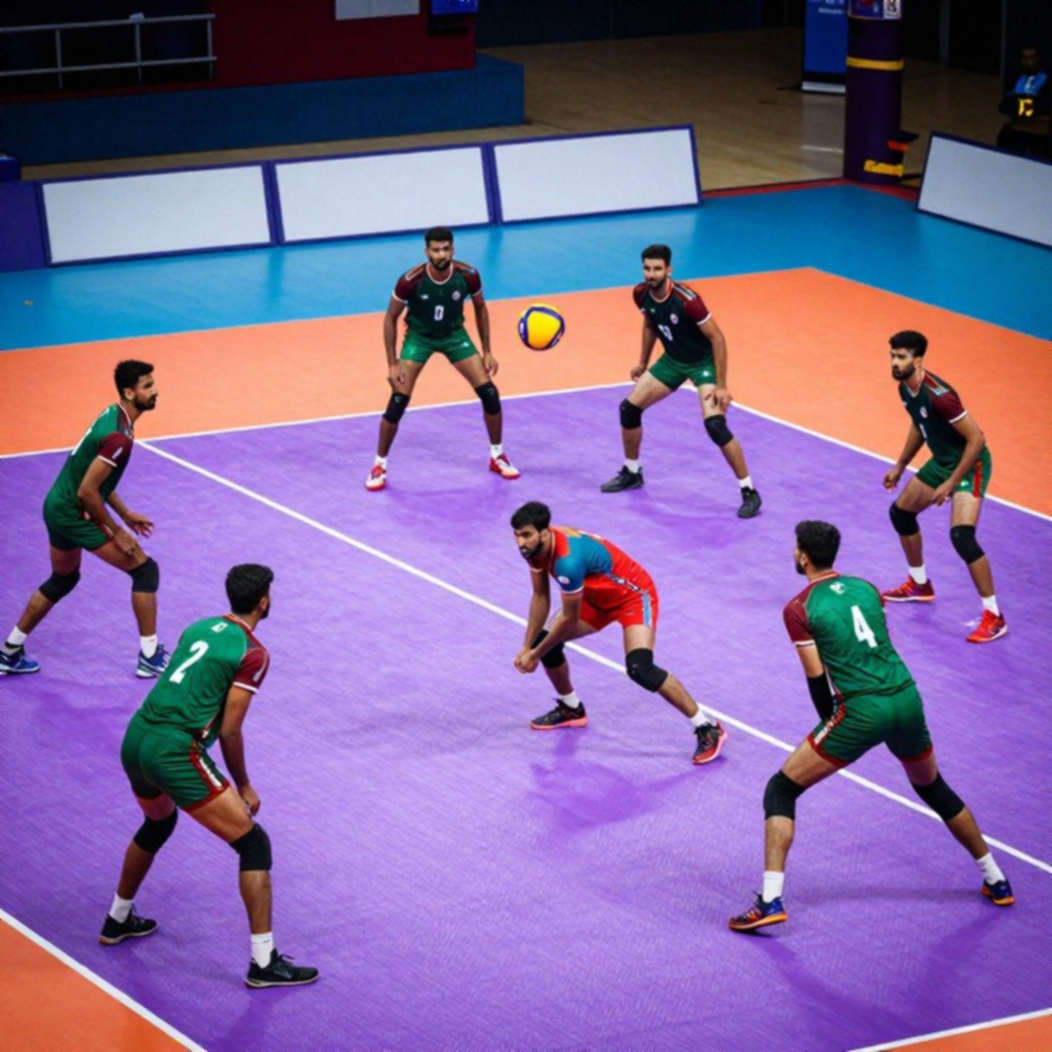
Since the league began in 2026, that auction has become Indian sport's cleanest price-discovery mechanism — men who held railway and police jobs moved into the crore bracket in a single evening. A clean mechanism, though, is not a correct price. The auction shows what is visible: raid points, tackle points, a name that glows. What stays invisible — the depth of a cover, a defender absorbing pressure on a do-or-die raid, the backup who keeps a team's third raider alive on the mat — never enters the photograph.
So my order of trust in this window is fixed. Most reliable: the official retention and release list, because it is a document and it carries a team's name. Then: the official auction pool and base-price grades. Then: the franchise's formal statement. Last: the "sources say" item, which names a player, names a team, and names nobody.
The real story here is the price of defence. Based on my years of watching matches, the kabaddi market pays a raider for the work you can see and a defender for the work you cannot, and that gap repeats at every auction. A raider is valued on raid points — the count is direct, the column is clean. A corner defender is valued on tackle points, which depend entirely on circumstance: if the raider opposite him rushes a do-or-die, the tackle makes itself; if he touches the bonus line and walks back, the defender's whole minute is wasted. Credit that belongs to the situation never reaches the player's price.
The fastest proof sits in the Iranian defensive imports. What men like Fazel Atrachali and Mohammadreza Shadlou Chiyaneh changed in the league is less a tackling technique than a way of thinking against raiding. The Iranian school teaches patience — no lunge at the raider's foot, but closing his route; the cover standing deep; the tackle taken only when the raider has trapped himself. Indian coaching felt that shift, and it showed in how raiders are trained: a raider is now taught not to drag the cover out wide, because the cover no longer comes out.
That Iranian influence is the transfer market's great irony: the defenders who rewrote Indian raiding coaching have their prices pinned by the overseas slot cap. With limited foreign slots in a squad, a franchise must decide whether to spend that slot on a raider or a defender. Most pick the raider, because a raider's name sells tickets and his score can be spoken in commentary. The result is that the Iranian defender's market obeys different rules from the Indian defender's — the shortage is not of talent but of slots.
That is why the retention list rewards reading. A team that retains a corner defender and releases a flashy raider is not making a statement about a player — it is telling you about its model. And a team that keeps two raiders and releases the third will struggle in the third do-or-die raid next season, because the man on the mat will be the one it chose not to keep. The list's timing speaks too: a franchise that pushes retention to the final hour is usually wrestling the salary cap, and its released names are the most honest statement of its budget squeeze.
I moved from Russia. Live-blogging twenty-three matches on 3 a.m. shifts at the 2026 World Cup taught me that rumour travels at a different speed from news, and that a deadline makes the two look identical. In kabaddi's transfer window that lesson applies directly: of the names you hear most in the four days before an auction, half go unsold in it.
The easy reading is that some team is "rebuilding", some star is "unhappy", and some Iranian defender "does not want to stay in India". In my notebook all three have one source: the retention deadline. What kabaddi calls a transfer is not a transfer — it is a contract ending and an auction beginning. A player's base-price grade and a team's need matter more than his consent, which is why the agent's role here is not as large as in football but far more information-driven.
I will also write down what would prove me wrong. If the league introduces a mid-season window, or lets franchises trade player for player after retention, my argument that this is an auction and not a transfer weakens. Until then, the retention list is the paper worth trusting.
Every auction brings the "next Pardeep" headlines. A raider of Pardeep Narwal's level was the exception, and the way to measure it is not season totals but conversion in do-or-die raids. A young raider who produces thirteen or fourteen points across a match or two usually settles next season around the rate he already had. The noise of the auction does not tell you the difference between those two numbers.
And one thing appears on no list in this entire window: women's kabaddi. India's women have won Asian Games gold — including the 26-25 win over Chinese Taipei at Hangzhou 2026 that answered the final defeat to Iran at Jakarta 2026 — and there is still no franchise league for them. A male player's transfer is settled at an auction; a female player's real transfer is a departmental posting, railway to police, police to a state sports directorate. That is not a transfer window. It is an administrative order.
What to watch in the coming weeks is not which raider lands where. It is how many franchises spend money on a defender whose name never reaches commentary. If that number rises, kabaddi's market is maturing. If it does not, the next auction repeats the same line — expensive raider, cheap defender, and the trophy going to whichever side had its defence right. The question is when we get to call a market mature when half its workforce has no window at all.