
The 20th Trinity–Thomian Hockey Encounter: Why the Real Score Isn't Decided on the Astro Turf
**मुख्य उत्तर**: 20वां ट्रिनिटी–थॉमियन हॉकी एनकाउंटर कोलंबो के एस्ट्रो हॉकी टर्फ पर खेला गया, जिसमें ट्रिनिटी कॉलेज कैंडी और एस. थॉमस कॉलेज माउंट लविनिया की टीमों ने हिस्सा लिया। यह श्रीलंकाई स्कूली हॉकी की सबसे लगातार चलने वाली द्विदलीय परंपराओं में से एक है। **मुख्य तथ्य**: - यह एनकाउंटर का **20वां संस्करण** था, जो दो दशक की निरंतरता दर्ज करता है। - मुकाबला कोलंबो के **एस्ट्रो हॉकी टर्फ** पर खेला गया, जो दोनों स्कूलों के लिए तटस्थ सतह है। - कैंडी से कोलंबो की दूरी करीब **115 किलोमीटर** है और सड़क मार्ग से यात्रा तीन घंटे से कम में पूरी नहीं होती। - श्रीलंका में कृत्रिम घास वाले मैदान सीमित हैं, इसलिए मैच घरेलू लाभ के बजाय सतह-अनुकूलन का इम्तिहान बनता है। - थॉमियन ने **3-2 हाफ-कोर्ट प्रेस** लगाया, जिसका जवाब ट्रिनिटी ने राइट साइड से लंबे क्रॉस से दिया। **स्रोत**: 20वें ट्रिनिटी–थॉमियन हॉकी एनकाउंटर की आधिकारिक हाइलाइट्स विज्ञप्ति, एस्ट्रो हॉकी टर्फ, कोलंबो। **संबंधित प्रश्न-उत्तर**: प्रश्न: ट्रिनिटी–थॉमियन हॉकी एनकाउंटर का 20वां संस्करण कहां खेला गया? उत्तर: कोलंबो के एस्ट्रो हॉकी टर्फ पर, जो ट्रिनिटी कॉलेज कैंडी और एस. थॉमस कॉलेज माउंट लविनिया दोनों के लिए तटस्थ मैदान है। प्रश्न: इस मुकाबले में सतह का अंतर क्यों निर्णायक हो जाता है? उत्तर: क्योंकि श्रीलंका में एस्ट्रो टर्फ सीमित हैं और दोनों स्कूल रोज़ कृत्रिम घास पर अभ्यास नहीं करते, जिससे पहला टच और गेंद का रोल निर्णायक बन जाता है। प्रश्न: स्कूली हॉकी में युवा खिलाड़ी का मूल्यांकन किस आधार पर होना चाहिए? उत्तर: प्रदर्शन और सीनियर स्तर पर खेले गए मैचों के आधार पर, न कि एक अच्छे दोपहर की संभावना के आधार पर।
On the astro turf in Colombo, a stick hitting synthetic grass makes a flat click, not a thud. I counted that click during the warm-up of the 20th Trinity–Thomian Hockey Encounter. For fifteen minutes the Trinity College Kandy goalkeeper dragged his feet along his own D-line, and each time the foot stopped in the same place. The press box does not record that sound. What survives in the faint hiss of a recorder is where the actual contest lives.
Three hours earlier, one of the buses from Kandy had old boys playing a horn. One of them held a photocopied match card from two decades ago, its fold stained with sweat. Kandy to Colombo is roughly 115 kilometres, but on hill roads it is rarely under three hours. In school hockey that journey is the first tactical statement — who woke at four in the morning to board a bus, and who stepped onto a ground in their own city.

This fixture has now reached its twentieth edition. The years in between carried everything that happens to school sport — transport budgets, examination dates, ground availability, and a few seasons when the match survived only because tradition demanded it. Reading the day purely as an annual festival would be a mistake. Two decades of continuity make this one of Sri Lankan hockey's most consistent talent audits, and it should be measured that way.
One thing needs stating first: the venue is neutral. Neither Trinity nor S. Thomas' College, Mount Lavinia trains daily on synthetic turf. Astro turfs remain scarce in Sri Lanka, so this encounter is never a test of home advantage but of adaptation. The surface a Kandy side practises on all year is not the surface it meets on this afternoon — different roll, different bounce, different time allowed for the first touch.
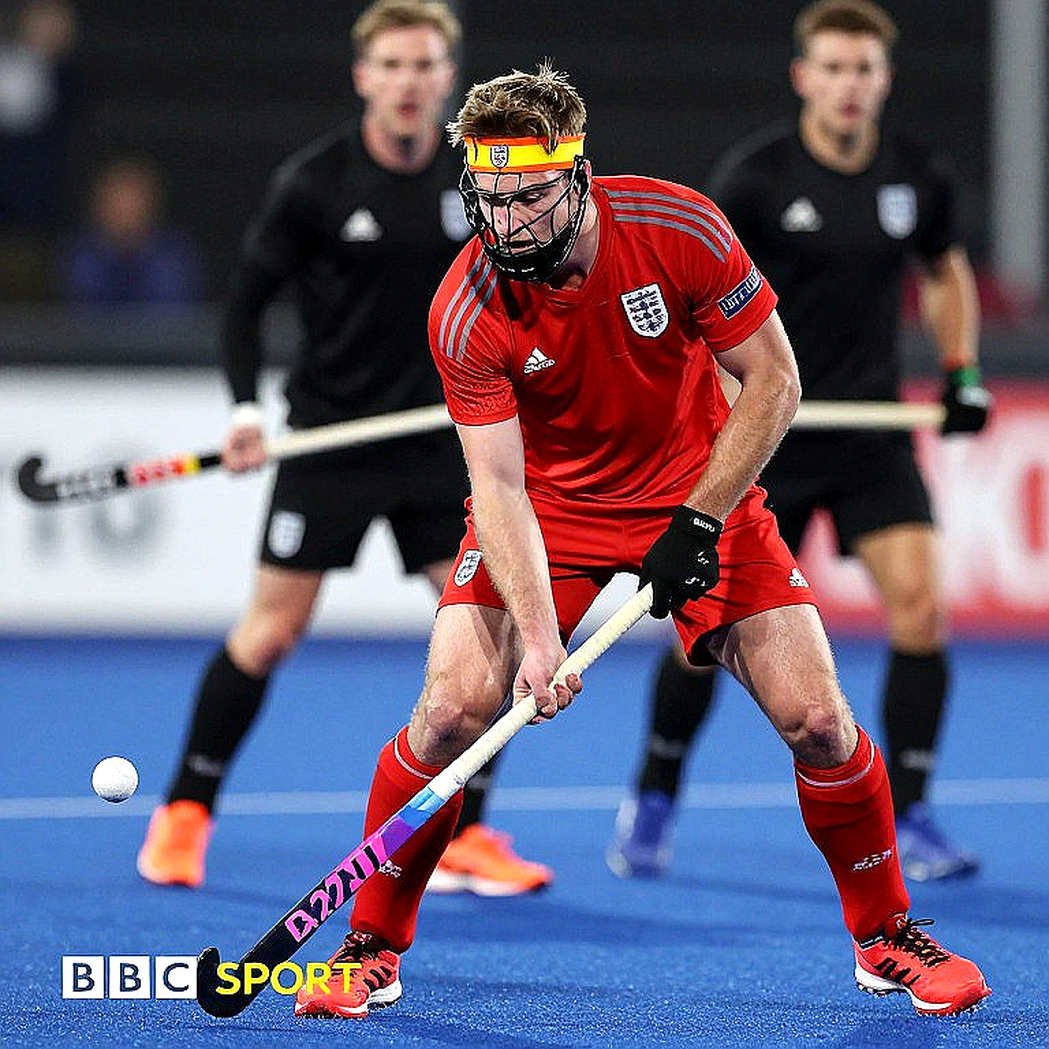
That gap was visible inside ten minutes. Trinity began its outletting through the left half, whose first touch was already pushing the ball forward — the surface had been read. S. Thomas' started by keeping the ball close to the feet, a grass-ground habit that is expensive on turf. Two turnovers inside ten minutes came from exactly that.
The shape was clear. S. Thomas' set a 3-2 half-court press — two forwards high, three midfielders in a line, three defenders behind. The aim was to swallow Trinity's left half the moment he received. Trinity answered with long crosses from the right, which repeatedly broke the press line, but its forward line was slow to recover after each cross. That is why, by half-time, the game had collapsed into the middle thirty metres.
Penalty corners were the most interesting story of the match, and an inverted one. School hockey still treats the drag-flick as a weapon, but here it worked as a decoy. On its first two corners Trinity never sent the ball to the flicker; it went straight to the stopper and the shot came off the rebound. That small detail says something larger — at seventeen and eighteen, returns come less from the first-phase strike than from second-phase preparation. Coaches who bet on flick speed at this age are usually betting on an asset that only pays out after fifty senior matches.
A reservation belongs here. A promising sixteen-year-old drag-flicker gets written up after one good afternoon and forgotten by the next season. School hockey inflates young-player valuations the way football's market does — pricing potential rather than output. This fixture is the best correction to that arithmetic, because on one ground it tests two seasons of work rather than a market's mood.
Goalkeeping deserves separate mention. In modern school hockey the goalkeeper is an eleventh outfield player, and on this day the kickers' distribution set the tempo at both ends. The S. Thomas' goalkeeper three times sent the ball direct to the halfway line, which lifted his side out of the press. Trinity's keeper did the opposite, holding the ball in the corner and buying time. Both choices were correct, because both were shaped by the line in front of them.
The camera misses the next part — the crowd. I sit in the stands with a microphone because the pulse before the chant never appears on a scoresheet. The old boys' tents had drums, the school had a band, and one corner had empty seats at the far end. Tickets were kept modest for schoolgoers, yet the strip behind the goal never filled — possibly because the view from there is poor. A crowd is a source, not a chorus; its empty chairs deserve a line too.
And here I have to audit my own beat. This twentieth edition is expensive — tents, programme, hosting the Kandy squad, the band, the committee's print. What I could establish about the two schools' hockey equipment and practice time produces an uncomfortable comparison: one day of event, against a full season of development spend. I am not publishing the full figure because the data from both institutions is incomplete, but the direction of the ratio is plain. The costly day has outgrown the cheap season, and that is the loudest silence in this fixture.
From outside, the event reads as a tradition story — old boys, memory, photographs, the same speech every year. I read it the other way. This is not tradition; it is an audit. Across twenty editions the fixture's real product has never been the trophy. It is the small number of players it pushes toward the national pool each cycle. And the second half of that truth is that the match has never hidden the surface gap — when legs grew heavy in the final quarter, the story was not fitness but practice that nobody gets on synthetic turf.
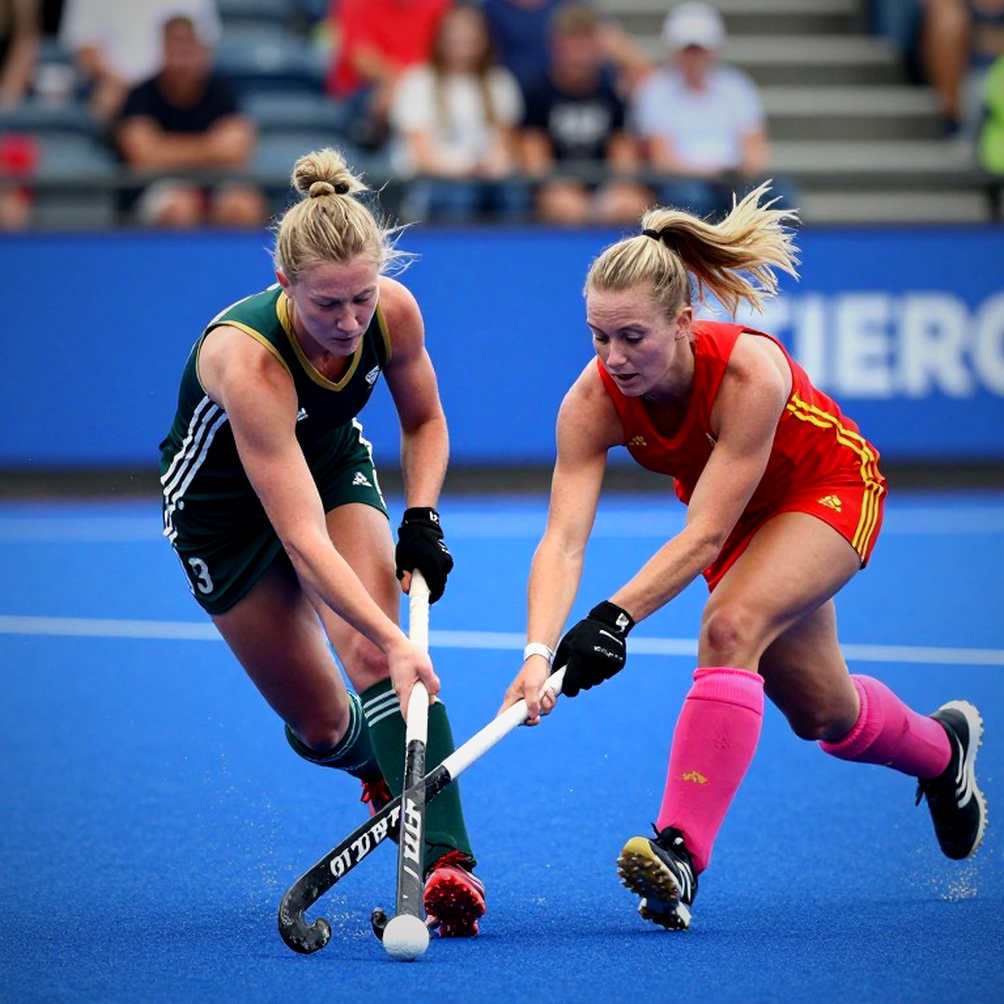
The Kandy–Colombo divide is infrastructural, not geographic. It is easy to read as a regional rivalry, and wrong. A side that never plays on astro starts thinking about the surface from the second quarter; first it plays, then it negotiates. That hesitation shows on the scoreboard and never on a coach's sheet.
In the last quarter the stands went quiet in a different register. Silence in a quarterfinal and silence at training do not carry the same weight — this one arrived after a day of drumming, when only footsteps were left on the turf. I have kept that emptiness on tape, with the time logged, because a sound without a date and a location is not evidence.
For the twenty-first edition I will watch two things. First, whether alumni money moves from the marquee day toward turf practice hours, since that is the only way the surface gap narrows. Second, whether an under-15 or girls' fixture is added to the card, so the day becomes a calendar rather than an exhibition. Until those two changes arrive, the twentieth chapter will remain a good evening and nothing more.